
Merlo America’s Next-Gen Leadership Model Is More Than a Recruitment Strategy
As industries across construction and heavy equipment grapple with workforce shortages, succession planning and changing employee expectations, many companies are asking the same question: how do you attract and retain the next generation of talent?
For Merlo America, the answer appears to be less about flashy recruitment campaigns and more about culture, trust, and practical responsibility.
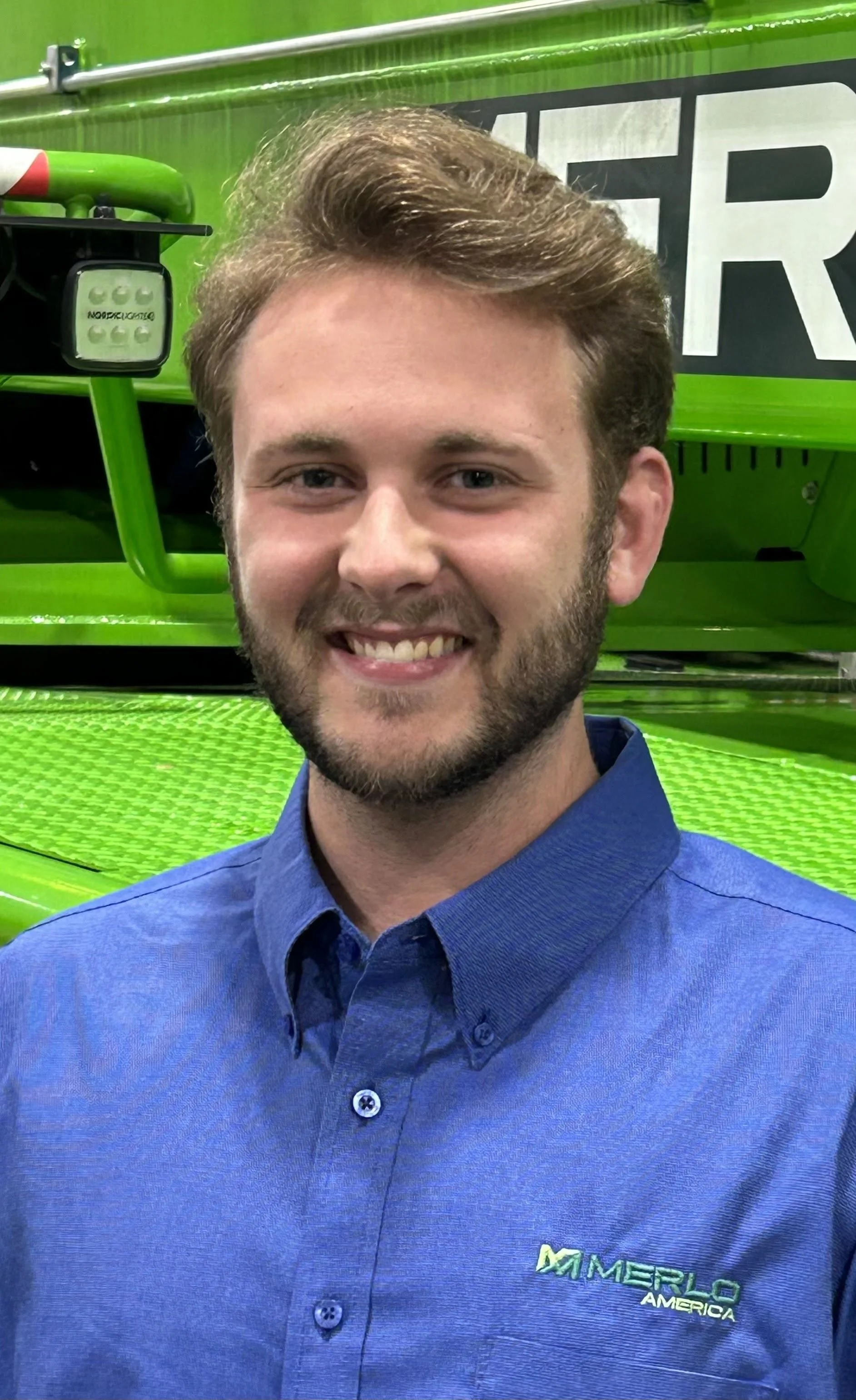
The company recently shared a story highlighting the addition of Commercial Operations Associate Ian Roush to the South Carolina team. In addition to welcoming their newest member to the Merlo America team, the story offers a revealing look at how younger professionals aren’t just entering the equipment industry, they’re reshaping it.
At just 25, Roush represents a generation often characterized by its digital fluency and adaptability. But what stands out most in his journey is not just technological savvy, it is the combination of operational thinking, curiosity, and cross-functional involvement that reflects broader changes happening within technical industries.
A Different Kind of Career Path
Like many younger professionals entering technical fields today, Roush did not follow a straight line into construction equipment. Initially pursuing architecture, he eventually found himself drawn toward operational systems and process improvement during an internship with a paving and compaction OEM.
That shift is increasingly common.
Today’s technical workforce is less siloed than previous generations. Emerging professionals are blending creative, technical, and strategic skill sets in ways that traditional organizational structures have not always accommodated. Employers that recognize this hybrid mindset are often better positioned to engage Gen Z talent.
Merlo America appears to understand that dynamic well.
In his current role, Roush works across operational processes, marketing support, trade shows and special projects, experiencing a level of exposure that few early-career professionals get to enjoy. This type of broad participation is becoming a competitive differentiator for equipment manufacturers seeking younger workers who prioritize growth opportunities and meaningful contribution over rigid hierarchy.
Why Gen Z May Be Well-Suited for Equipment and Construction
One of the more compelling aspects of Roush’s perspective is how naturally he frames problem-solving through both systems and people.
According to the press release, he often approaches challenges by asking whether an issue is “a people problem or a systems problem.” That mindset mirrors larger operational trends across manufacturing and construction, where digital transformation efforts increasingly intersect with workforce engagement and process optimization.
For Gen Z workers, who came of age during rapid technological acceleration and the disruption of the COVID-19 pandemic, adaptability is often second nature. Roush notes that his generation is comfortable researching, adjusting quickly and viewing long-standing challenges through a fresh lens.
In industries sometimes perceived as resistant to change, that perspective can be highly valuable.
Construction and equipment companies are no longer hiring solely for mechanical expertise. They are also looking for professionals who can navigate ERP systems, customer experience, workflow improvement, marketing strategy, and operational analytics, often simultaneously.
Leadership Development Through Access and Ownership
Perhaps the most notable takeaway from Merlo America’s approach is its emphasis on giving younger employees real ownership early in their careers. The company’s “Building Future Leaders” initiative, as described in the release, focuses less on formal leadership titles and more on cultivating initiative and accountability.
Roush describes an environment where new ideas are actively discussed, tested, and refined collaboratively. He also points to direct mentorship and open communication with leadership as critical components of his development.
That model aligns closely with what workforce analysts continue to identify as priorities for younger employees. These priorities include, visibility into decision-making, frequent feedback and mentorship, opportunities for cross-functional learning, and a sense of impact within the organization.
For industries competing against technology firms and other modern career paths, creating that environment may be increasingly essential.
Reframing the Construction Industry for Younger Talent
The construction and equipment sector has long struggled with perception challenges among younger workers. Yet Roush’s comments highlight a reality industry insiders already know well: the field offers a surprisingly broad range of career opportunities beyond traditional trades.
Operations, marketing, technical service, systems management. and customer strategy are all becoming more interconnected as equipment businesses modernize. That evolution creates new entry points for digitally native professionals who may not have previously considered construction equipment as a viable long-term career.
Merlo America’s story ultimately serves as a reminder that workforce development is not simply about attracting younger employees, it is about creating environments where they can meaningfully contribute, learn quickly, and see a future for themselves within the industry.
If companies across construction and manufacturing want to build the next generation of leaders, they may need to spend less time talking about innovation and more time giving emerging talent the opportunity to practice it.
